A comprehensive programme of events has been organised this weekend (10-12 September) to… Still their coming and passing were universally respected and seldom went challenged.The Spadesman
Fields of Grace
Annie’s Shop: 2
In Search of the Calliagh Berra
Kate’s Going to Yankeeland
Annie’s Huckster’s Shop
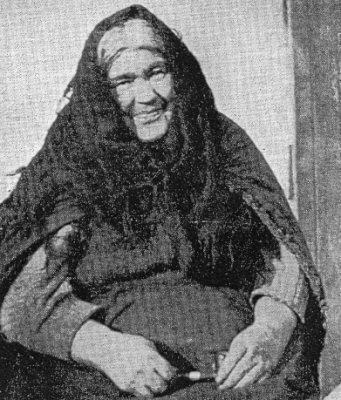
Annie’s Shop: 3
Meadow: Conker Season
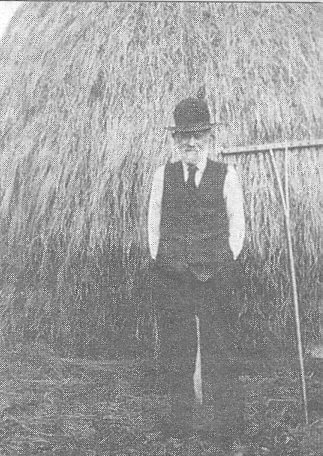
Mick was a true spadesman and in his hands that tool acted like something bewitched. He never put a foot to it.
In rural Ireland long ago – and often in towns as well – handicapped, deformed or less-able members of the community were hidden away from society or secreted in upper rooms or in barns, I’m told. That is certainly my mother’s recollection and we have all read about such matters in the literature. From what I now learn, they were the lucky ones.
I usually went to Annie’s Huckster Shop with a companion, who always left the door open, deliberately.
We’d been talking together a good while at the roadside and I made to move on.
Then he spoke up again,
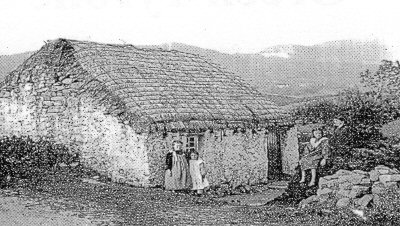
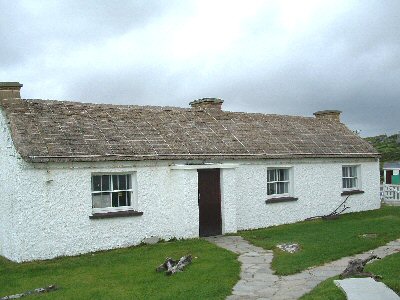
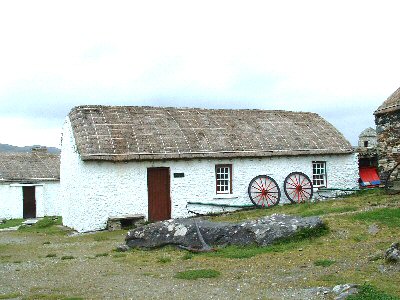
Annie’s house was low and thatched, crushed between the country road and the foot of a South Armagh hill, like a limestone slab in the butt of a ditch. More than a huckster’s, her shop was an institution that defied the strangulation of rationing until well into the war years.
After the serving came the reckoning, interspersed with acidy queries about people, children with chin-cough, a christening or a wake, laying hens – or a sudden and arresting cry after a departing customer,
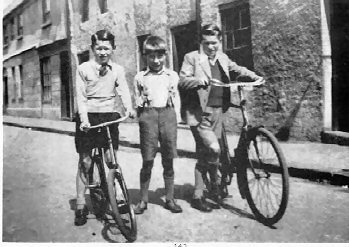
I never met anybody who fully understood the vagaries of our changing childhood ‘seasons’.