This is just four Municipal Boundary markers: those at the Brickey Loanan, Templehill Road, Barley Lane and Rathfriland Road. We’re still awaiting your snaps of the other 14, or as many of them as remain in situ.
 John McCullagh
John Martin
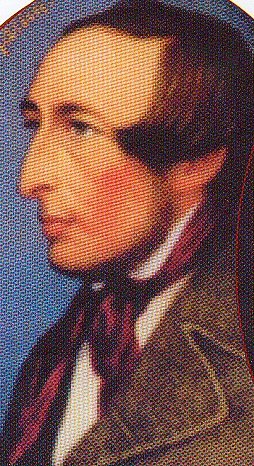
Although born into the privileged life of a landed Presbyterian family, John Martin laid it aside to serve his suffering fellowman through the dark days of the Famine. He also endured exile to a foreign land because he sought to reform the Government which he saw as destructive to his native land during the poverty stricken years of the 1840’s.
John Mitchel
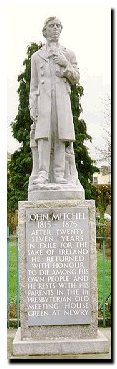
John Mitchel (1815-1875) was a Young Irelander leader and perhaps the most esteemed republican to come from Newry. He was in fact born in Maghera, son of the Rev John Mitchel and Mary (Haslett) but the family settled in Newry from 1823 when the minister received an appointment here.
From 1842 Mitchel came under the influence of the Young Irelanders who were impatient with Daniel O’Connell’s conservatism. He was especially influenced by Thomas Davis of The Nation newspaper, who induced him to write a Life of Hugh O’Neill. After
In the American Civil War he sympathised with the South, lost two sons in the fighting and was for a short while imprisoned by the victorious Northern forces. He went to
Charles Russell
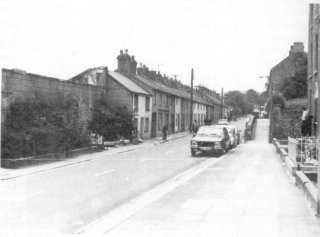
Charles Russell 1832-1900
A handsome bust in the foyer of our Town Hall commemorates one of Newry’s most famous sons, Charles Russell, the only ever Irish Catholic to become Lord Chief Justice of
Inniskeen Road: July Evening
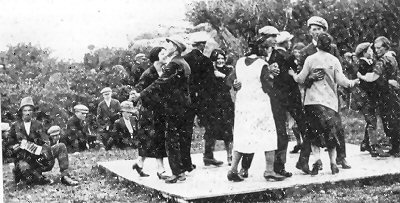
The bicycles go by in twos and threes –
There’s a dance in Billy Brennan’s barn tonight,
And there’s the half-talk code of mysteries
And the wink-and-elbow language of delight.
Kerr’s Ass: Kavanagh
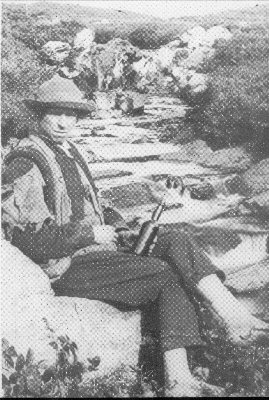
To go to
Brought him home the evening before the market
An exile that night in Mucker.
Art McCooey: [Kavanagh]
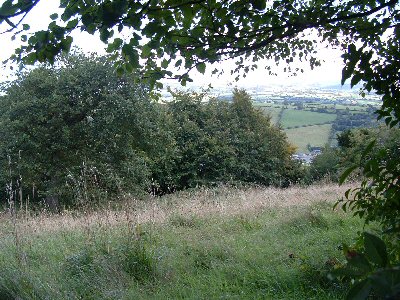
I must appeal to proper Kavanagh scholars who may explain why the poet dedicated the following to his predecessor poet of our region, Art McCooey. The collection ‘A Soul for
Kavanagh: The Green Fool
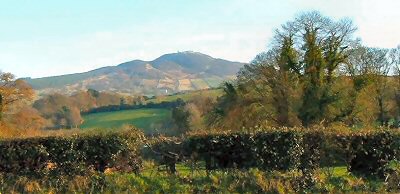
While deliberating whether Patrick Kavanagh would be acceptable as a ‘local’ poet to our readership, the great irony struck me: that Kavanagh himself, from the black hills and sour fields of Monaghan, struggled to demonstrate the universality of man in his verse and indeed celebrated his people, their time and their landscape to encapsulate the problems of mankind, and of the artist through all regions and ages.
In short, he feared lest he be seen as just a ‘local’ poet!
Linenhall Square: Resumed!
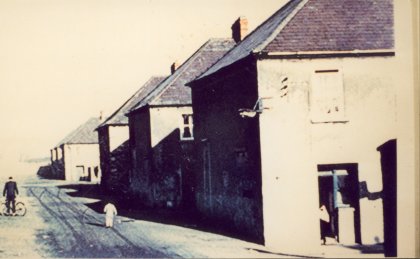
We got to
Paddy Woods of 35 had a daughter Patsy who married Arthur Ruddy ex-Councillor for the SDLP. There was another daughter Peggy. And a Lily and a Harry (RIP).